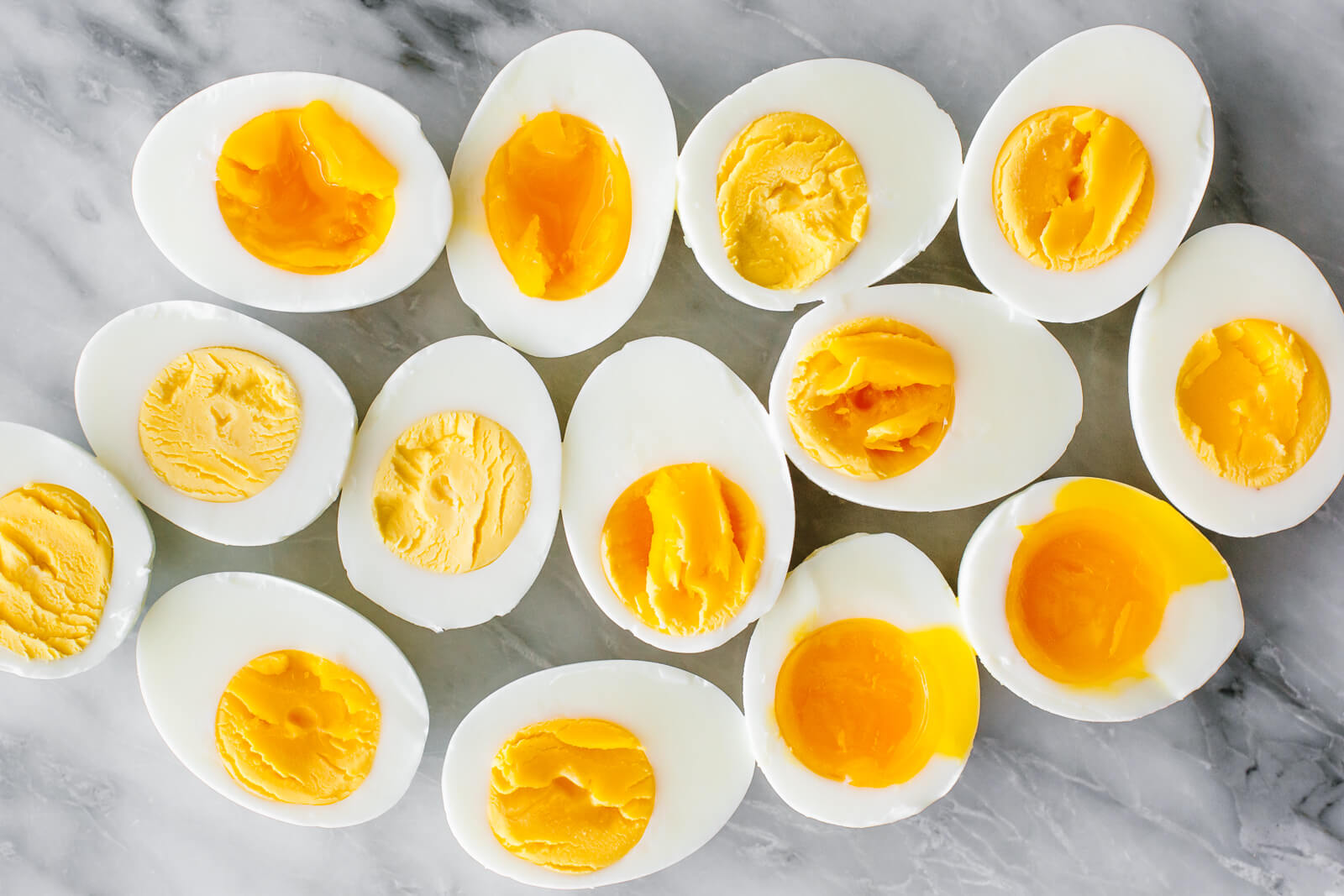
Your Guide to Perfect Soft-Boiled Eggs for Toast Soldiers & Hard
Boiling an egg might seem like one of the most fundamental kitchen tasks, a skill so basic it's often overlooked. Yet, achieving that elusive "perfect" texture, whether it's a luscious runny yolk, a jammy centre, or a fully set hard-boiled egg, is surprisingly nuanced. Many factors, from the egg's size and weight to its starting temperature and even altitude, play a crucial role in the final result. This comprehensive guide will demystify the art of boiling eggs, ensuring you know exactly
how to boil eggs perfectly soft medium hard every single time, transforming a simple ingredient into a culinary delight.
We'll cover the essential techniques for soft-boiled eggs – perfect for dipping with buttery toast soldiers ��� along with the methods for achieving those versatile jammy medium-boiled and fully cooked hard-boiled eggs suitable for any meal. Mastering this skill is not only incredibly practical and affordable but also unlocks a world of delicious possibilities in your kitchen.
The Science Behind a Perfect Boil: Why Details Matter
One of the biggest misconceptions about boiling eggs is that a one-size-fits-all approach will work. In reality, several key variables significantly impact cooking time and the desired yolk consistency. Understanding these factors is the first step towards consistent perfection.
- Egg Size & Weight: It stands to reason that smaller items heat faster than larger ones, and eggs are no exception. A smaller 45g egg will reach its desired doneness quicker than a larger 60g (standard large) or even jumbo egg. Through extensive testing, it's clear that even a difference of 15 grams can alter cooking time by a full minute or more for soft-boiled eggs, noticeably changing the texture of the yolk. Always consider the size of your eggs when setting your timer. For a deeper dive into these specifics, you might find our article Master Egg Boiling: Why Size, Weight & Temperature Truly Matter particularly insightful.
- Starting Temperature (Bench vs. Fridge): Eggs stored at room temperature (common in many parts of the world, like New Zealand) will cook faster than eggs taken straight from the refrigerator. Colder eggs require additional time for the internal temperature to rise sufficiently before the cooking process truly takes hold. As a general guideline, fridge-cold eggs can need an extra 30 to 90 seconds compared to bench-stored eggs to achieve the same level of doneness. Factoring in these initial temperature differences is paramount to achieving the perfect soft, medium, or hard boil.
Once you grasp these fundamental principles, the seemingly complex task of boiling eggs becomes far more predictable and yields consistently delicious results, no matter your preference for yolk texture.
Mastering the Soft Boil: Ideal for Toast Soldiers
The soft-boiled egg is a breakfast classic, with its warm, runny yolk ready to embrace buttery toast soldiers. Achieving this delicate balance requires precision and attention to detail.
Ingredients:
- Fresh eggs (preferably bench-stored for quicker results)
- Water
- A pinch of salt (optional, but can aid in flavour and contain cracks)
- Toast and butter, for serving
- Your favourite seasoning (salt and pepper)
Method for the Perfect Runny Yolk:
- Bring Water to a Rolling Boil: Use a pot large enough for your eggs to sit in a single layer and be fully submerged. Add a pinch of salt to the water; this not only seasons the shell (which can subtly flavour the egg) but also helps to coagulate any egg white that might escape if an egg cracks during cooking.
- Gently Add Eggs: Using a slotted spoon, carefully lower the eggs into the vigorously boiling water. This prevents them from cracking against the bottom of the pot.
- Start Your Timer Immediately: This is crucial for soft-boiled perfection. The timing will depend heavily on the egg size and starting temperature:
- Small eggs (approx. 45g, bench-stored): 5 minutes
- Standard large eggs (approx. 60g, bench-stored): 6 minutes
- Fridge-cold eggs (any size): Add an extra 30–60 seconds to the above times. For a standard large egg straight from the fridge, aim for 6.5 to 7 minutes.
- Remove and Serve Straight Away: As soon as the timer goes off, carefully lift the eggs from the boiling water. Soft-boiled eggs are best enjoyed hot and immediately.
How to Serve with Toast Soldiers:
Place your perfectly soft-boiled egg into an egg cup or a small bowl. Using a sharp knife or even a spoon, gently tap around the top third of the shell to create a clean crack. Carefully lift off the top, revealing the glistening, runny yolk. Season lightly with a sprinkle of salt and freshly ground black pepper. Serve with thick slices of hot, buttered toast, cut into long, dippable strips – your "toast soldiers." It's a simple, comforting meal that transports you back to childhood and never fails to satisfy.
Achieving the Jammy Perfection: Medium-Boiled Eggs
For many, the medium-boiled egg, with its vibrant, semi-liquid, "jammy" yolk, strikes the perfect balance between runny and fully set. It’s incredibly versatile, adding richness to salads, ramen, or even just enjoyed on its own. The technique for achieving this differs slightly from the soft boil.
Ingredients:
- Eggs (fridge-cold preferred for easier peeling)
- Water
- Ice (for an ice bath)
Method for the Jammy Yolk:
- Cold Water Start: Place your eggs in a single layer at the bottom of a saucepan. Pour enough cold water over them to cover them by at least an inch. This cold-start method is gentler on the eggs, reducing the risk of cracking, and is often preferred for easier peeling for medium and hard-boiled eggs.
- Bring to a Rolling Boil: Place the saucepan over high heat and bring the water to a rapid, rolling boil.
- Boil, Then Simmer (or Turn Off Heat): Once the water reaches a full boil, either reduce the heat to a gentle simmer for the remainder of the cooking time, or, for an even gentler approach, immediately remove the pot from the heat, cover it, and let the eggs sit in the hot water.
- Standard large eggs (60g, fridge-cold) for Jammy: If simmering, aim for 7-8 minutes from the point the water reached a full boil. If using the off-heat method, cover and let sit for 9-10 minutes.
- Immediate Ice Bath: As soon as your timer dings, quickly transfer the eggs to an ice bath (a bowl of ice water). This crucial step immediately halts the cooking process, preventing overcooking, and is key for that perfect jammy consistency. It also helps the egg whites separate cleanly from the shell, making them much easier to peel. Let them cool in the ice bath for at least 5 minutes before peeling.
Medium-boiled eggs are fantastic sliced over avocado toast, tossed into a vibrant salad, or nestled in a bowl of hot ramen.
Flawless Hard-Boiled Eggs: From Salads to Snacks
The hard-boiled egg is a culinary workhorse – portable, protein-packed, and perfect for everything from quick snacks to deviled eggs and elaborate salads. When learning
how to boil eggs perfectly soft medium hard, the hard-boiled stage requires specific timings and an essential post-cook step for flawless peeling.
Ingredients:
- Eggs (fridge-cold is ideal for peeling)
- Water
- Ice (for an ice bath)
Method for Fully Cooked Hard-Boiled Eggs:
- Cold Water Start: Arrange your eggs in a single layer in a saucepan. Cover them with cold water, ensuring at least an inch of water above the highest egg.
- Bring to a Rolling Boil: Place the pot on high heat and bring the water to a rapid, rolling boil.
- Cook (Off-Heat Method Recommended): As soon as the water reaches a full boil, immediately remove the pot from the heat. Cover the pot tightly with a lid and let the eggs sit in the hot water. This method provides a gentle, even cook that prevents the "rubbery" whites and green rings often associated with overcooked hard-boiled eggs.
- Standard large eggs (60g, fridge-cold) for Hard-Boiled: Let sit, covered, for 12-15 minutes. For slightly firmer yolks, go closer to 15 minutes.
- Immediate Ice Bath: This step cannot be stressed enough. As soon as the soaking time is complete, transfer the eggs to an ice bath. This stops the cooking, helps prevent the dreaded greenish-grey ring around the yolk (caused by sulfur and iron reacting), and dramatically aids in easy peeling. Allow them to cool for at least 10 minutes in the ice bath before peeling.
Easy Peeling Tips:
After the ice bath, gently tap the wide end of the egg on a hard surface, then roll it to crack the shell all over. Peel under cool running water or submerged in the ice bath; the water helps to slip between the membrane and the egg white, making removal much smoother. For more detailed instructions on achieving easy-to-peel results, our article
How to Boil Eggs Perfectly: Soft, Medium, Hard & Easy Peeling is an excellent resource.
Hard-boiled eggs can be stored unpeeled in the refrigerator for up to 7 days. Once peeled, they should be eaten within 2-3 days.
Beyond the Basics: Essential Tips for Egg Boiling Success
Even with precise timings, a few additional tips can elevate your egg-boiling game from good to consistently great.
- Don't Overcrowd the Pot: Give your eggs space. If you overcrowd the pot, the water temperature will drop too much when you add the eggs, and they won't cook evenly. Cook in batches if necessary.
- Altitude Matters: At higher altitudes, water boils at a lower temperature, meaning eggs will take longer to cook. You may need to add a few extra minutes to your cooking times if you live significantly above sea level.
- Pot Size and Water Level: Always use a pot large enough to accommodate the eggs in a single layer and ensure they are covered by at least 1 inch of water. Too little water, and the eggs might not cook evenly; too much, and it takes longer to come to a boil.
- Pricking Eggs: Some people advocate pricking the larger end of the egg with a pin before boiling to prevent cracking. While it can sometimes help, it also introduces a risk of bacteria entering the egg if not done hygienically. With a cold water start and gentle handling, cracking is usually minimal.
- Nutritional Powerhouse: Beyond their versatility, eggs are incredibly nutritious. A single large egg contains about 75 calories but delivers around 6 grams of high-quality protein, including all 9 essential amino acids. They're also rich in vitamins A and D, iron, phosphorus (vital for bone health), and choline (crucial for brain function and metabolism). Despite past concerns about cholesterol, current medical advice generally agrees that dietary cholesterol from eggs does not significantly impact blood cholesterol levels for most healthy individuals.
Learning
how to boil eggs perfectly soft medium hard empowers you with a fundamental kitchen skill that offers immense culinary rewards. With a little practice and attention to the details discussed, you'll be consistently turning out perfectly cooked eggs that are a joy to eat.
Mastering the art of boiling eggs is a rewarding journey that adds incredible value to your cooking repertoire. By understanding the subtle science behind egg size, temperature, and precise timing, you can confidently achieve your desired yolk consistency every single time. From the comforting simplicity of soft-boiled eggs with toast soldiers to the versatile elegance of jammy medium-boiled and the robust utility of hard-boiled eggs, this guide provides you with all the knowledge to transform a humble ingredient into a perfect culinary creation. Don't be afraid to experiment with the timings on your own stovetop, as every kitchen is unique. Practice makes perfect, and soon, you'll be an egg-boiling expert, ready to elevate any meal.